Buying guide
Best L-theanine: how to choose and how to take it
There's no single "best" L-theanine for everyone. The right choice depends on how you like to take it, how much you want, and what else is in the product. Here's how to choose.
L-theanine is widely available, from pharmacy and supermarket shelves to specialist online shops. The ingredient itself is much the same in most products. What really differs is the format, the amount per serving, and what it's mixed with. This guide walks through each of those so you can pick what suits you.
What makes the best L-theanine?
Before comparing formats, it helps to know what separates a good product from a poor one. Whichever format you choose, look for:
- A clearly stated amount. The label should give the L-theanine content per serving in milligrams.
- A simple ingredient list. Fewer ingredients make it easier to understand what you're taking.
- Proper labelling. A well-labelled supplement shows a recommended daily amount, a "do not exceed" warning and the business name and address. Rules vary by country, but those basics are a good sign anywhere.
- Sensible wording. L-theanine has no authorised health claims in the UK or EU. Products promising to "cure anxiety" or "boost your IQ" are overpromising, and in many countries breaking the rules. That tells you something about the seller.
- Testing. Good brands can tell you how their products are tested and who makes them.
The best ways to take L-theanine
There are four main formats. Each has its own trade-offs.
1. Capsules and tablets
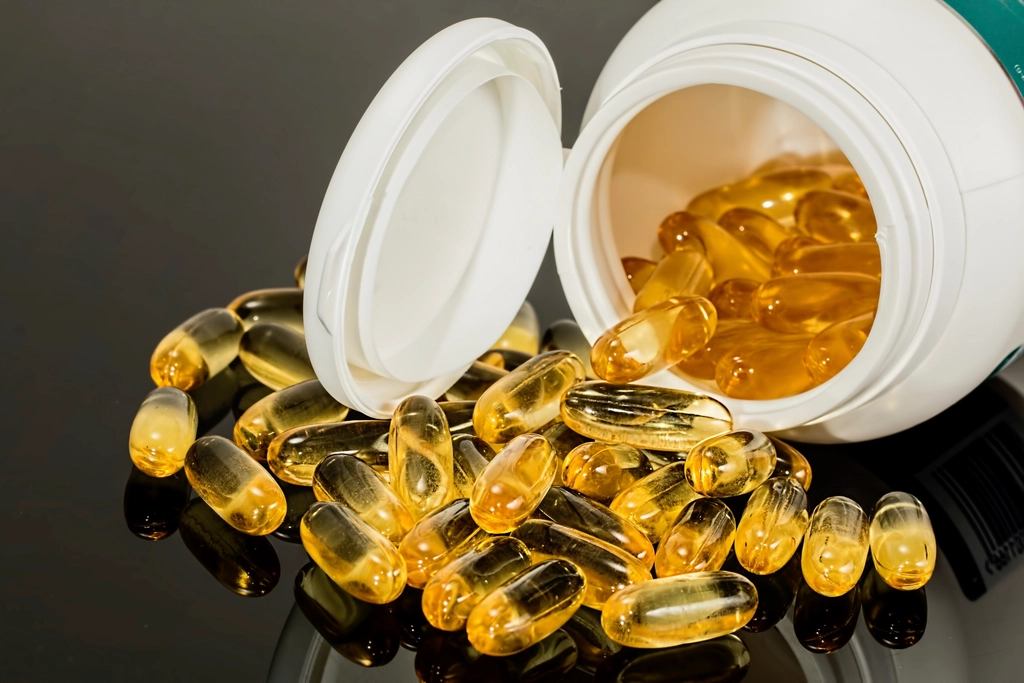
This is the most common format by far. Capsules usually contain 100–250mg, are cheap per serving and keep for a long time.
Good for: people who want the simplest, lowest-cost option. Downsides: you need water, and some people find them easy to forget.
2. Powder
Pure L-theanine powder can be stirred into water, tea, coffee or a smoothie. It's often the cheapest option per milligram.
Good for: people who want to adjust their own amount. Downsides: measuring small amounts accurately needs a milligram scale, and it's not very portable.
3. Drinks and teas
Matcha and gyokuro are naturally rich in L-theanine, and some functional drinks add it on top.
Good for: people who enjoy tea. Downsides: the amount in tea varies a lot and is usually well below supplement levels, and many functional drinks also contain caffeine or sugar.
4. Pouches
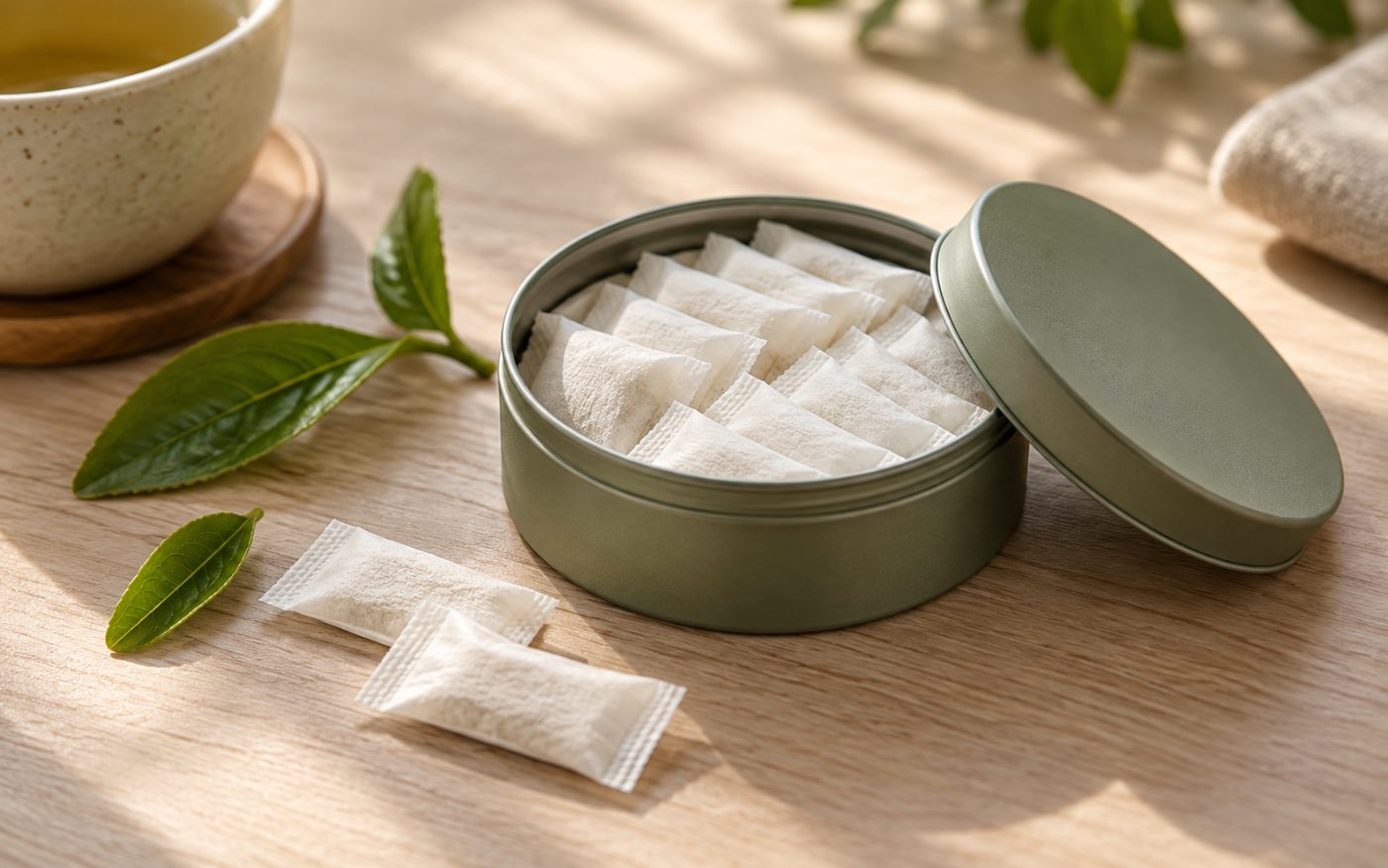
L-theanine pouches are the newest format. A small pouch sits under your top lip and releases its contents slowly, with no water needed. We explain them in detail in our guide to L-theanine pouches.
Good for: people who like a ritual, use pouches already, or want something portable. Downsides: they cost more per serving than capsules, and the format isn't for everyone.
How much L-theanine do people take?
Most supplements provide 100–200mg per serving, and that's the range used in much of the published research. Studies have used single servings up to around 400mg, and L-theanine is generally regarded as well tolerated. Always follow the recommended daily amount on the label and don't exceed it.
When to take L-theanine
There's no rule here. It comes down to your routine:
- With your morning coffee. This is the most popular pairing, and the most studied. Our guide to L-theanine and coffee covers what the research found.
- During the working day. Many people prefer a format they can use at their desk, which is where pouches and drinks fit in.
- In the evening. L-theanine isn't a stimulant, so some people take it later in the day as well.
Single ingredient or blend?
A lot of products, especially "nootropic" ones, combine L-theanine with caffeine, B vitamins, ashwagandha or other herbal extracts. Blends aren't necessarily bad, but they make it harder to tell what you're responding to. They can also add caffeine you didn't plan on. If you're new to L-theanine, starting with a single-ingredient product makes it easier to judge whether it suits you. Single-ingredient options exist in most formats, including capsules, powders and pouches.
Who should check first
L-theanine isn't suitable for children. Speak to your doctor or pharmacist before taking it if you're pregnant or breastfeeding, take any medication (particularly for blood pressure), or have a medical condition.
The bottom line
The best L-theanine is the one that fits your day. Capsules are the simplest and cheapest, powder gives you the most control, tea is the natural option, and pouches are the most portable and enjoyable to use. Whatever you choose, look for a clear amount, a short ingredient list and honest labelling.